Cardiovascular Surgery Instruments for Cardiac Operative Procedures
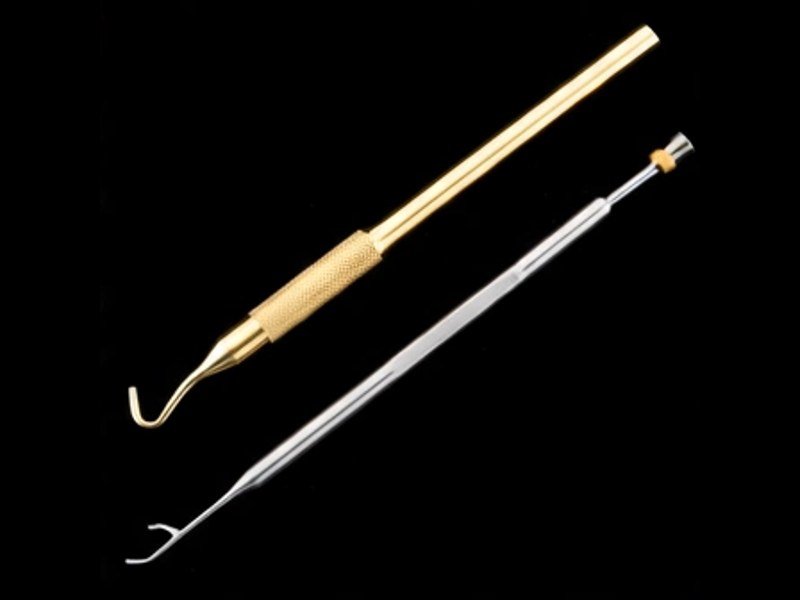
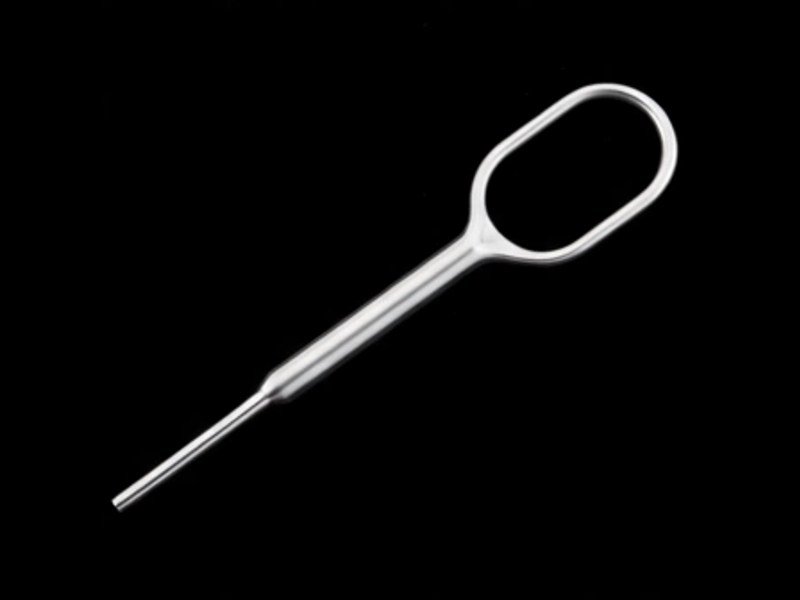
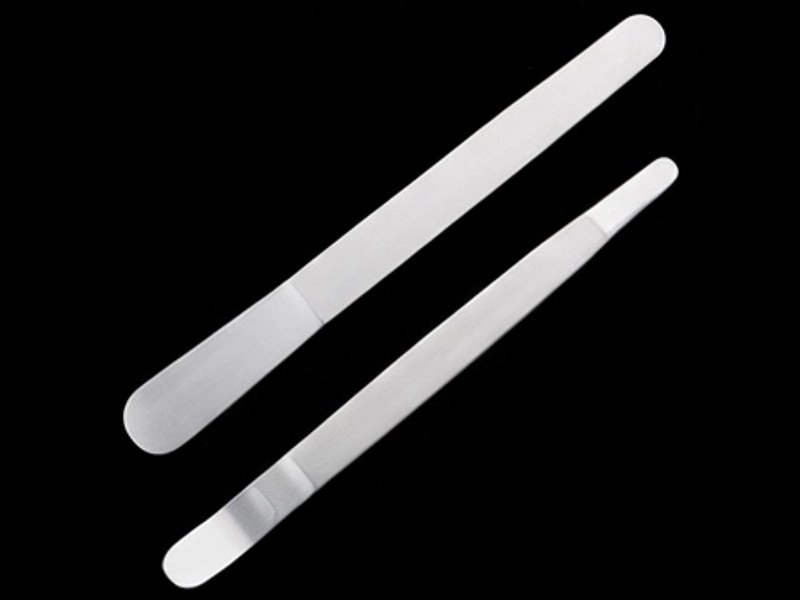
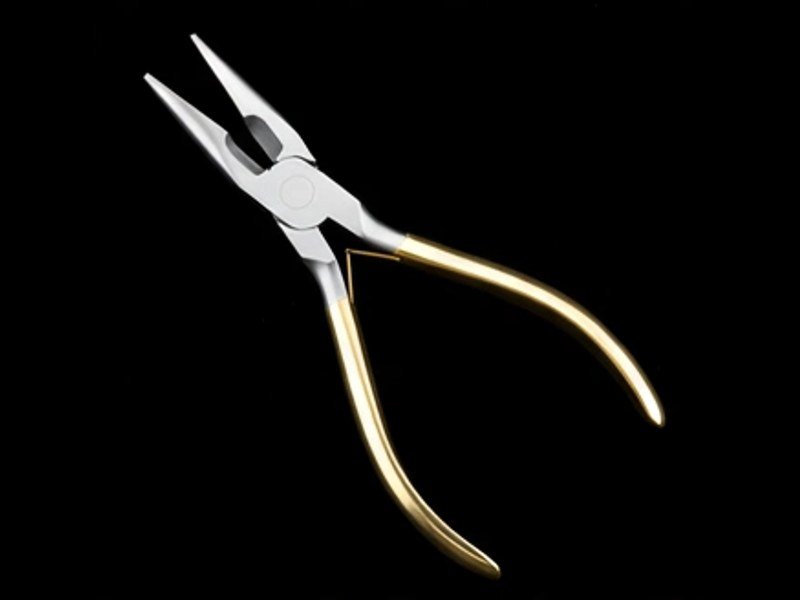
Cardiovascular and cardiothoracic surgery works on the structures that keep blood moving — for example, the heart, the great vessels and the lungs. In addition, it does so under time pressure, in deep and narrow fields, often on vessels only a few millimetres wide. As a result, the instruments for this work have to be atraumatic above all: they must hold, occlude, cut and suture without injuring the vessel wall. In addition, this section introduces the core families of cardiovascular surgery instruments in the Surgi Right range — clamps, forceps, scissors, needle holders, approximators and the supporting tools around them. As a result, you can find the pattern your procedure needs and understand what each one is built to do.
What Are the Core Sub-Categories of Cardiovascular Surgery Instruments?
Therefore, the cardiovascular range follows the steps of a cardiac or vascular procedure: occluding the vessel, opening and holding the field, performing the anastomosis, and closing with precision. First, the core sub-categories are:
| Sub-Categories | Construction and Design | Primary Uses | Examples |
|---|
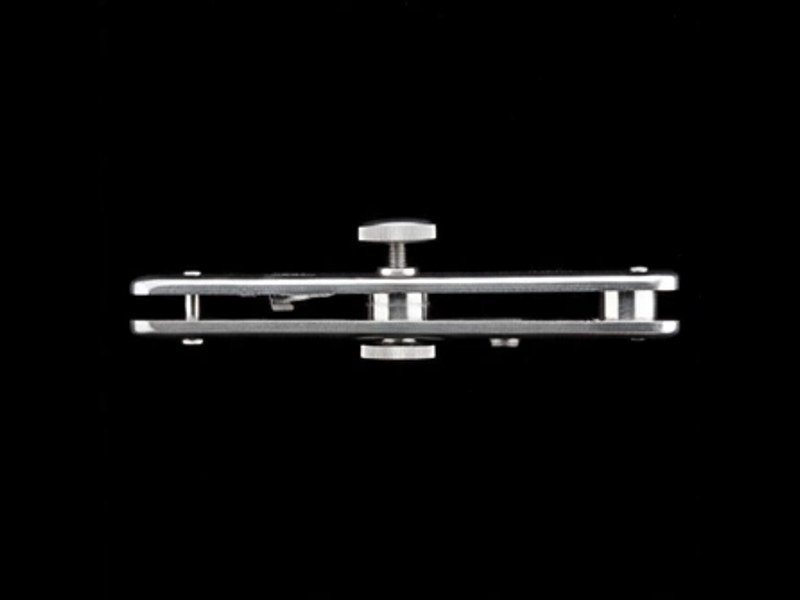
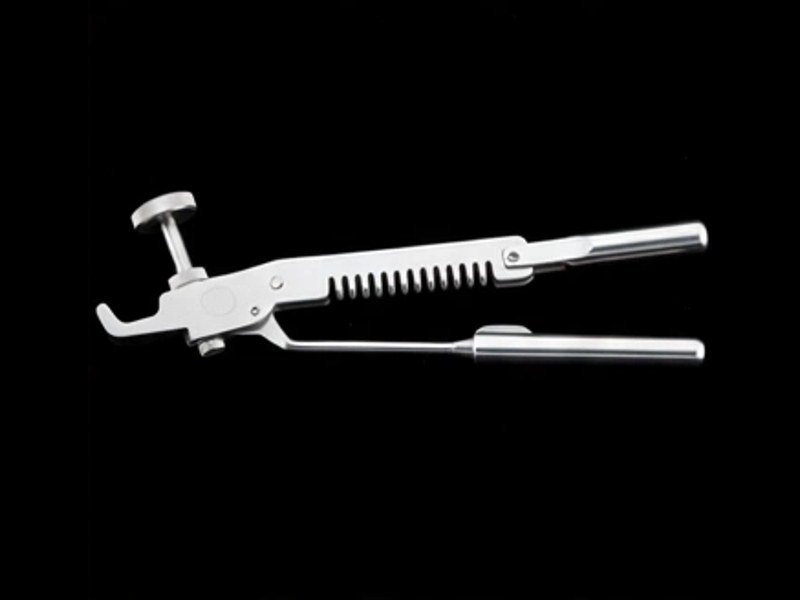
| Microvascular Approximators | Paired sliding clamps on a shared frame that also brings two vessel ends together and holds them aligned | Joining small vessels end to end in microvascular anastomosis | Acland-type approximators, and also double approximator clamps |
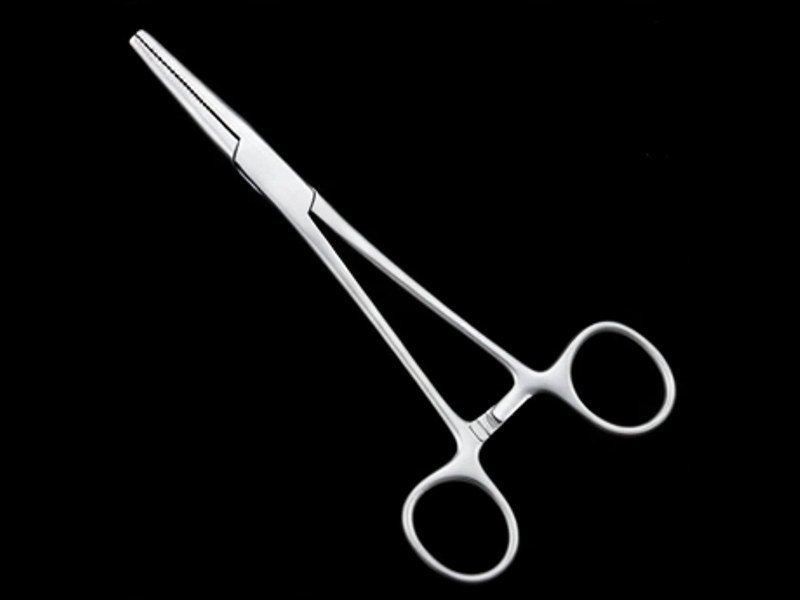
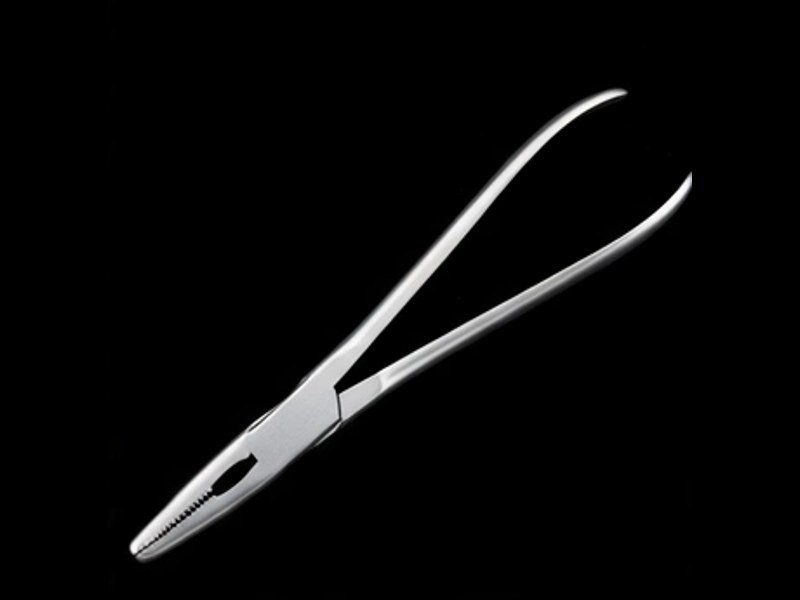
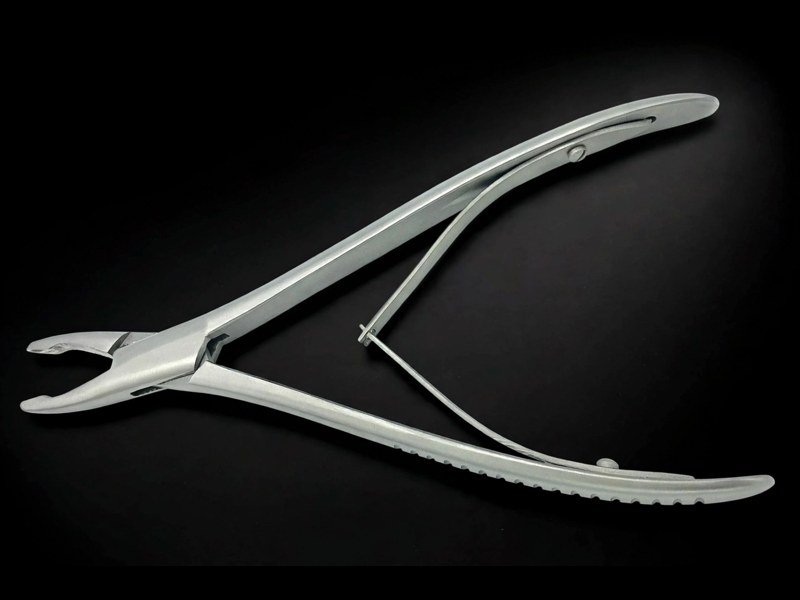
| Needle Holders | Fine jaws with a secure ratchet grip, also available in straight and curved patterns for deep fields | Driving fine suture needles through vessel and graft material | Ryder-type needle holders |
| Vascular Clamps | Atraumatic jaws shaped to the vessel — for example, straight, curved, angled and bulldog patterns | Temporarily stopping blood flow while a vessel is opened or joined | Satinsky-type clamps, and also DeBakey-type clamps |
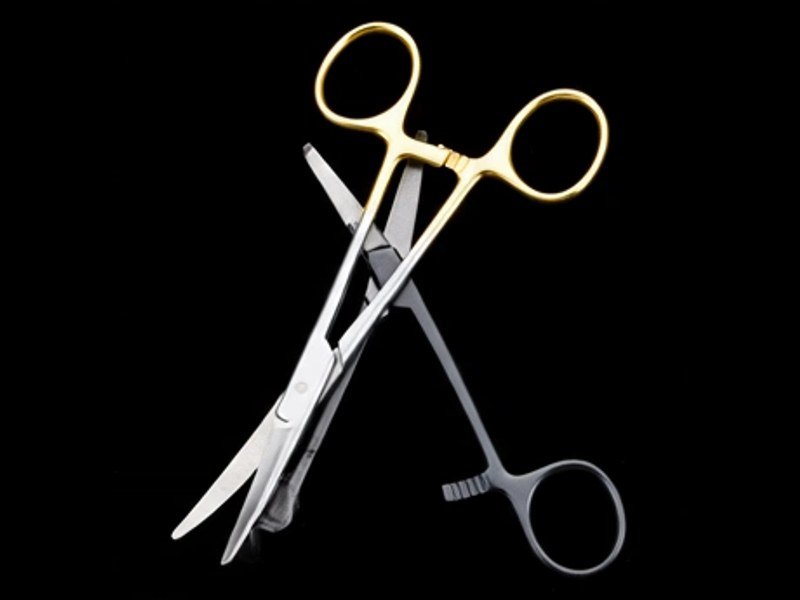
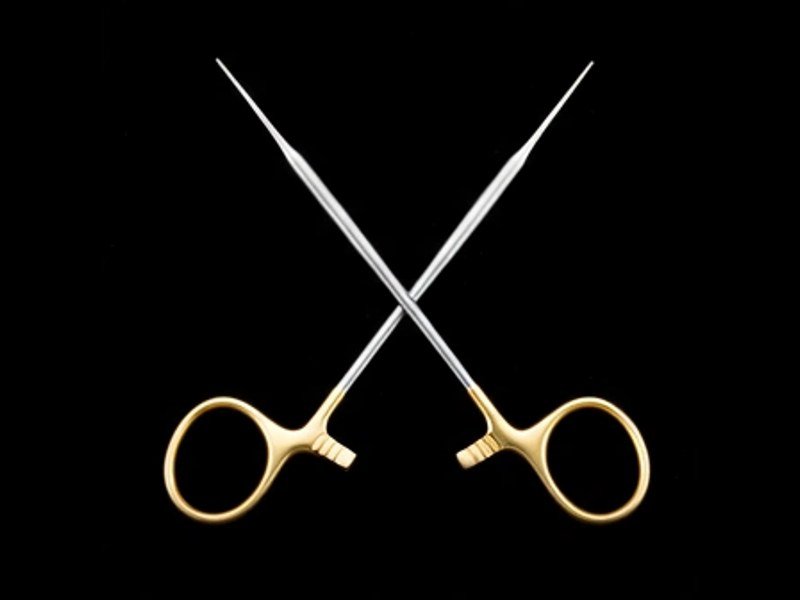
| Vascular Scissors | Delicate blades, often angled, also for clean vessel incisions and trimming | Opening vessels, trimming grafts and cutting fine sutures | Potts-Smith-type scissors |
| Cardiovascular Occlusion Clamps | Broad atraumatic jaws that also occlude larger vessels and the aorta without crushing | Controlling flow in the aorta and major vessels during cardiac procedures | Cooley-type occlusion clamps |
What Are the Core Functional Features of Cardiovascular Surgery Instruments?
- Safe construction — working ends are finished atraumatic, with fine serrations and smooth profiles that also grip the vessel securely without tearing or crushing its wall. As a result, flow returns without damage once the clamp comes off.
- Construction material — the range uses surgical-grade stainless steel, with selected patterns in titanium where lower weight and finer spring action matter. In addition, both materials hold their finish and function through repeated sterilisation.
FAQs
Can vascular instruments be used across the cardiac field?
Yes. The same families — clamps, forceps, scissors, needle holders and retractors — also serve open-heart, bypass and thoracic procedures. Therefore, what changes between lists is mainly size, jaw pattern and length, and we organise the range by sub-category.
How do vascular clamps help in microsurgery?
For example, approximator and microvascular clamps hold two vessel ends still and aligned while stopping flow through the segment. As a result, the surgeon gets a dry, stable field for placing very fine sutures.
Which material is preferred for cardiovascular instruments?
In fact, surgical-grade stainless steel is the standard for its strength, corrosion resistance and clean finish. In addition, titanium serves selected micro patterns where a lighter instrument improves control.
How should vascular instruments be maintained?
First, rinse and clean them promptly after use. Then keep hinged instruments open during washing and sterilisation, inspect jaws and ratchets for wear, and store them protected so fine tips and atraumatic serrations are not damaged.
Are cardiovascular instruments reusable and sterilisable?
Yes — every instrument in this range is reusable and fully sterilisable by standard autoclave cycles. As a result, it keeps its precision through years of theatre use.
Buy Cardiovascular Surgery Instruments Online
Overall, Surgi Right supplies cardiovascular and cardiothoracic instruments for cardiac specialists, hospitals and distributors — from vascular clamps and approximators to needle holders, scissors and complete procedure sets, in medical-grade stainless steel with OEM and private-label options. Finally, if you are building a cardiac list or replacing worn patterns, Contact us and tell us your procedures — we will help you put together the right combination.